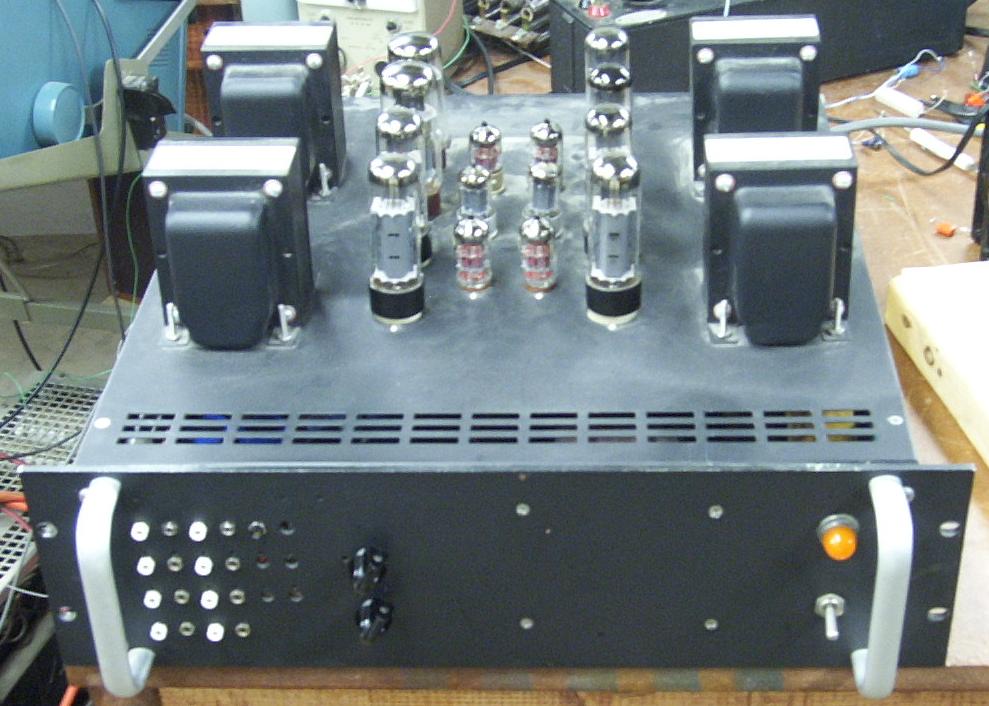
Nice, solid design. Engineering with heart, tradition and warmth (literally).
I wish I had had the possibilities twenty years back when I was still a pupil and read my old flea-market-bought Funkschau magazines from the '70s and '80s.
Great skills. The home theatre is fantastic. I don't profess being able to follow everything, as I just started in electronices last year, self-taught at 62, but I think I receognize good work. Thanks for the peak.
Yes it does get warm, literally! I like to joke that it is energy efficient because it heats my house and provides entertainment at the same time :)
Hi Mathman,
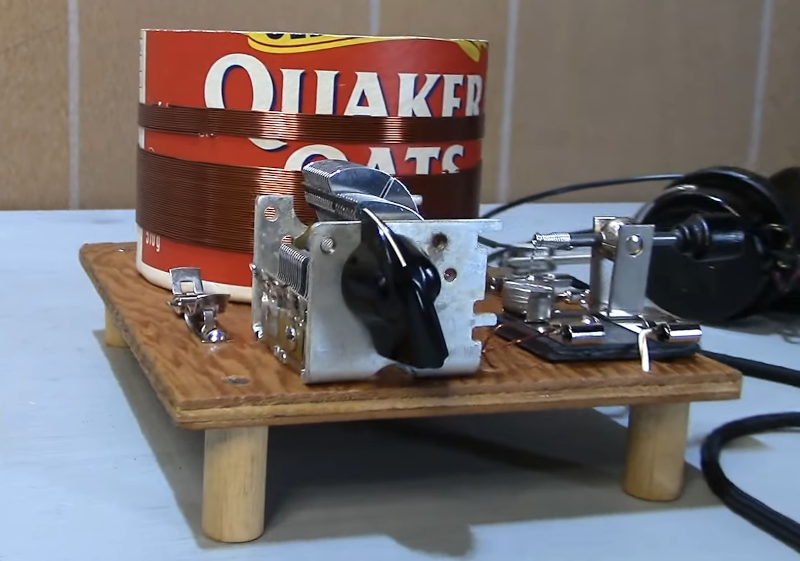
It's great to hear that you have started the hobby of electronics. I think you can go along way in teaching yourself. When i was in high school i built a radio telescope receiver by teaching myself. http://www.mit.edu/~gr20603/Dr.%20Gregory%20L.%20Charvat%20Projects/Radio%20Astro%20Photos.html
"energy efficient because it heats my house and provides entertainment at the same time"
Yes, it is true and there is another factor - audio waves sounds much better in the filament heated air :)
p.s. One trick: "The Great Hum Killer" If you insert low resistance powerful resistor between the middle point of filament transformer winding and the ground wire, you should to apply some (just a little) positive voltage to the heaters. It should provide complete hum suppression, especially in the auto-biased circuits.
I am really enjoying this read, it's very well done. Can't wait to get my tubes and start building.
I was wondering if there was a link to the excel files as it looks like they would be very useful. I suppose I could make them my self but it would save a lot of time.




 Posts
Posts




Nice, solid design. Engineering with heart, tradition and warmth (literally).
ReplyDeleteI wish I had had the possibilities twenty years back when I was still a pupil and read my old flea-market-bought Funkschau magazines from the '70s and '80s.
Best wishes from Hamburg
Ulrich
Great skills. The home theatre is fantastic. I don't profess being able to follow everything, as I just started in electronices last year, self-taught at 62, but I think I receognize good work. Thanks for the peak.
ReplyDeleteHi Ulrich,
ReplyDeleteYes it does get warm, literally! I like to joke that it is energy efficient because it heats my house and provides entertainment at the same time :)
Hi Mathman,
It's great to hear that you have started the hobby of electronics. I think you can go along way in teaching yourself. When i was in high school i built a radio telescope receiver by teaching myself.
http://www.mit.edu/~gr20603/Dr.%20Gregory%20L.%20Charvat%20Projects/Radio%20Astro%20Photos.html
Good luck.
Greg
FYI
ReplyDeleteIf you find this stuff interesting, Audio Express Magazine (formerly Audio Amateur) is free online:
http://www.audioxpress.com/
Greg
Great pdf, Gregory, thank you for your work!
ReplyDelete"energy efficient because it heats my house and provides entertainment at the same time"
Yes, it is true and there is another factor - audio waves sounds much better in the filament heated air :)
p.s. One trick: "The Great Hum Killer"
If you insert low resistance powerful resistor between the middle point of filament transformer winding and the ground wire, you should to apply some (just a little) positive voltage to the heaters.
It should provide complete hum suppression, especially in the auto-biased circuits.
73!
Wow what a nice idea and implementation
ReplyDeleteDo you still have the slides? I'm very interested to see them, but they appear to be offline...
ReplyDeleteHi Kris, i've updated the links you should be good now.
ReplyDeleteThanks!
Greg
Hi,
ReplyDeleteI am really enjoying this read, it's very well done. Can't wait to get my tubes and start building.
I was wondering if there was a link to the excel files as it looks like they would be very useful. I suppose I could make them my self but it would save a lot of time.
Thanks for this,
Matt